Trap nets pose lethal threat to winged guests
To prevent birds from picking up fishes from the water bodies, a nylon trap net is laid over them.
What was once a cradle of avian life — with sun-dappled skies echoing the calls of kingfishers, coots, and night herons — has now turned deadly. Moyna, the East Midnapore block once held up as a shining model of rural innovation, is fast becoming a graveyard for birds.




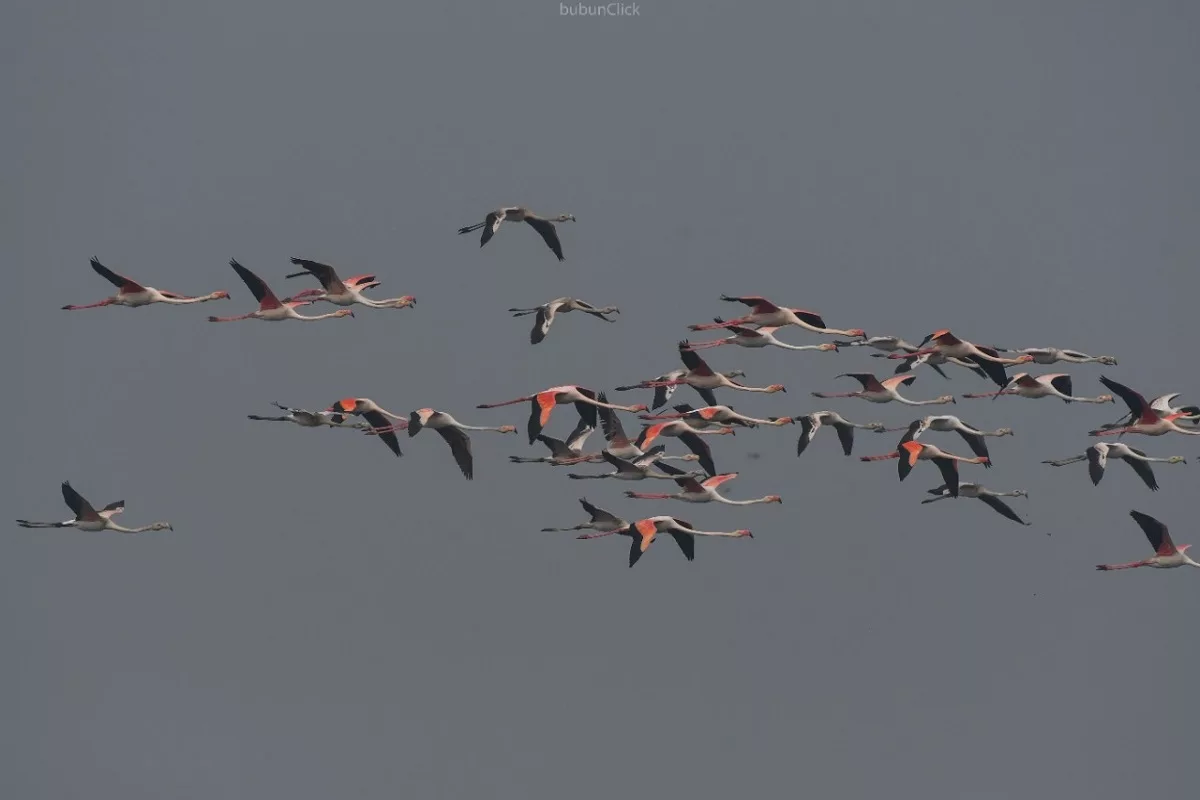
Photo: SNS
What was once a cradle of avian life — with sun-dappled skies echoing the calls of kingfishers, coots, and night herons — has now turned deadly. Moyna, the East Midnapore block once held up as a shining model of rural innovation, is fast becoming a graveyard for birds.
A silent massacre is unfolding across this wetland landscape, as thousands of nearly invisible nylon nets are being strung over fish ponds to deter birds. Hung just five to six feet above water, these nets are ensnaring and killing hundreds of birds annually, prompting alarm among conservationists, teachers, and local residents.
Advertisement
“This is an ecological emergency,” warns Dilip Kumar Patra, a local schoolteacher who leads bird rescue efforts. “Just this week, we saved seven birds — some bleeding, some dying. The practice is illegal under wildlife laws, but enforcement is nonexistent.”
Advertisement
Two decades ago, Moyna was transformed under a state-backed scheme that turned monsoon-flooded paddy fields into fishery hubs. The “Moyna Model” brought prosperity to over 60 villages. But it also drew flocks of birds — from black-crowned night herons and openbill storks to rare owls — turning the region into an inadvertent haven for avifauna.
To fish farmers, however, the birds became pests. Their solution — fine nylon mesh nets — has proven deadly. “Birds dive in hoping for a fish, but end up tangled mid-flight,” says environmental scientist Dr Pravat Kumar Shit. “Many die suspended in the nets; some escape with permanent injuries. Over the last four years, bird sightings have plummeted.”
Villages like Radhaballavchak, Bhandar Chak, Tilkhoja and Janakichak bear grim witness. “We no longer see hawks, woodpeckers or even doves,” says an elderly resident of Tilkhoja. “The skies have emptied. It’s as if nature itself has gone silent.”
In the absence of government action, a quiet resistance has emerged from schools. At Radhaballavchak Saradamoyee Vidyapith, science teacher Alok Maity leads a student-run bird rescue team. Children as young as 12 roam the ponds after school, carrying scissors and first-aid kits. They cut down trapped birds, clean wounds, and release those they can.
“We’re teaching them ecology with real consequences,” says Maity. “But it shouldn’t be their burden. Authorities must act.”
When contacted, Tarun Kumar Jana, a senior member of the district zilla parishad, expressed concern and promised an inquiry. “This is serious. If proven, these practices must be stopped.”
Yet environmentalists remain wary. “The Wildlife Protection Act forbids such traps. Officials claiming ignorance isn’t an excuse,” says Dr Shit. “It’s their legal and moral duty to intervene.”
The crisis reflects a wider national problem: India’s wetlands are vanishing under the twin pressures of land conversion and climate change. Once vibrant stopovers for migratory birds, many are now degraded or destroyed.
“Moyna’s fish boom brought economic gains,” Patra acknowledges. “But unchecked, it threatens to destroy the very ecological systems that made it thrive.”
Activists are urging an immediate ban on overhead netting, incentives for bird-friendly practices, and awareness drives among fish farmers. Alternatives like partial netting, reflective tapes, and community patrols offer middle paths.
This is not a demand to end aquaculture — only to make it sustainable. Moyna’s story, born of innovation, need not end in silence.
Once, the skies here burst with colour and song. Today, under
Advertisement